

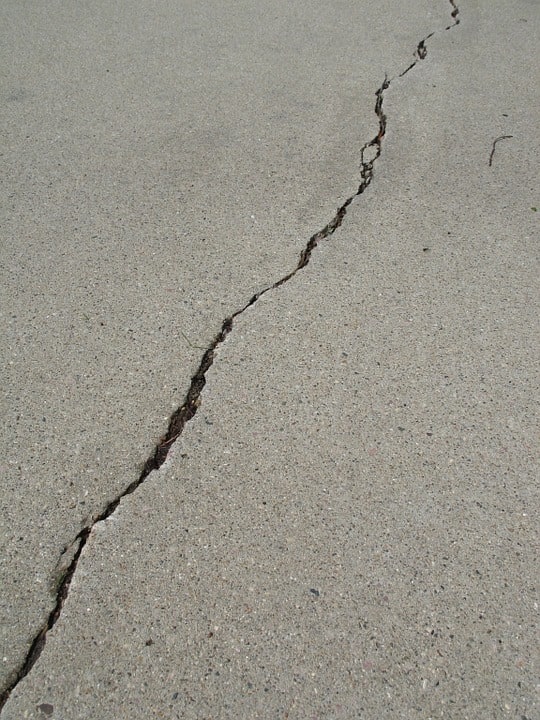
When you notice a crack forming in your driveway, patio, or sidewalk, it’s tempting to grab a tube of concrete filler from the hardware store and patch it up yourself. After all, the fix looks simple enough — and it seems like a cheap way to avoid calling in a pro.
But here’s the hard truth: most DIY concrete crack fillers are only temporary band-aids. They don’t address the actual cause of the cracking, and in many cases, they can even trap moisture, worsen the problem, or make future repairs more expensive.
Let’s break down why DIY concrete crack repair usually fails, and what actually works if you want long-lasting results.
Concrete cracks often form because of movement in the soil beneath the slab. This could be due to:
Filling a crack on the surface does nothing to stabilize the base below. That means the concrete will continue to shift, and new cracks may appear, often right next to your DIY repair.
Low-cost crack fillers often don’t adhere well over time. They may look okay for a few months, but seasonal temperature changes, foot traffic, or even lawn equipment can cause them to:
In short, it’s not just about filling the gap — it’s about ensuring the repair material holds up against real-world conditions.
Poorly applied crack fillers can actually seal moisture inside the crack, preventing it from drying out. When that water freezes in winter or expands in hot, humid weather, it puts extra pressure on the concrete slab, widening the crack or damaging it even further.
Moisture can also erode the soil beneath the slab, worsening the very movement that caused the problem in the first place.
If you eventually decide to get the concrete professionally repaired, that dried crack filler will likely need to be scraped or ground out first. This can:
If you notice multiple cracks, trip hazards, or uneven sections of concrete, a professional evaluation is your next best step. At Airlift Concrete Experts, we use precision foam injection (also known as polyjacking) to:
The result? A level, solid surface that holds up for years — no peeling filler, no guesswork, and no quick fixes.
DIY concrete crack fillers might feel like a quick win, but they rarely stand the test of time. If you’re dealing with cracks, sunken spots, or shifting slabs, call in Airlift Concrete Experts for a no-obligation assessment. We’ll help you get to the root of the problem and provide a lasting repair solution that actually works.
Want to learn more about how foam lifting works?
Contact Airlift Concrete Experts today to schedule your estimate and protect your concrete investment for years to come.

 Call Now