

Your home’s stability starts at the bottom – its foundation. But when something goes wrong, the warning signs can be easy to overlook until it’s too late. Cracking, sloping floors and sticking doors may seem like a minor inconvenience, but they could be indications of serious structural damage. In this guide, we’ll take a look at the 10 most common signs of foundation problems, explain what causes them, and help you decide when it’s time to call in a professional.
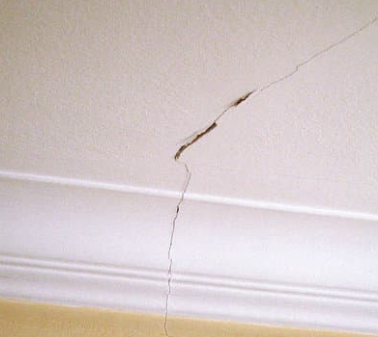
Ceiling cracks are often a natural part of a building’s aging process—but they shouldn’t be ignored. Some may be harmless, but others could signal foundation movement or structural instability.
Pay close attention to the shape and pattern of the crack. Spider web-style cracks are usually less concerning, while long, continuous cracks that follow a bow in the ceiling are more likely to indicate serious foundation issues.
Location is also key. Cracks near the edges of the ceiling are typically caused by normal settling. However, cracks appearing in the center of the ceiling often point to deeper foundation concerns that warrant a professional inspection.
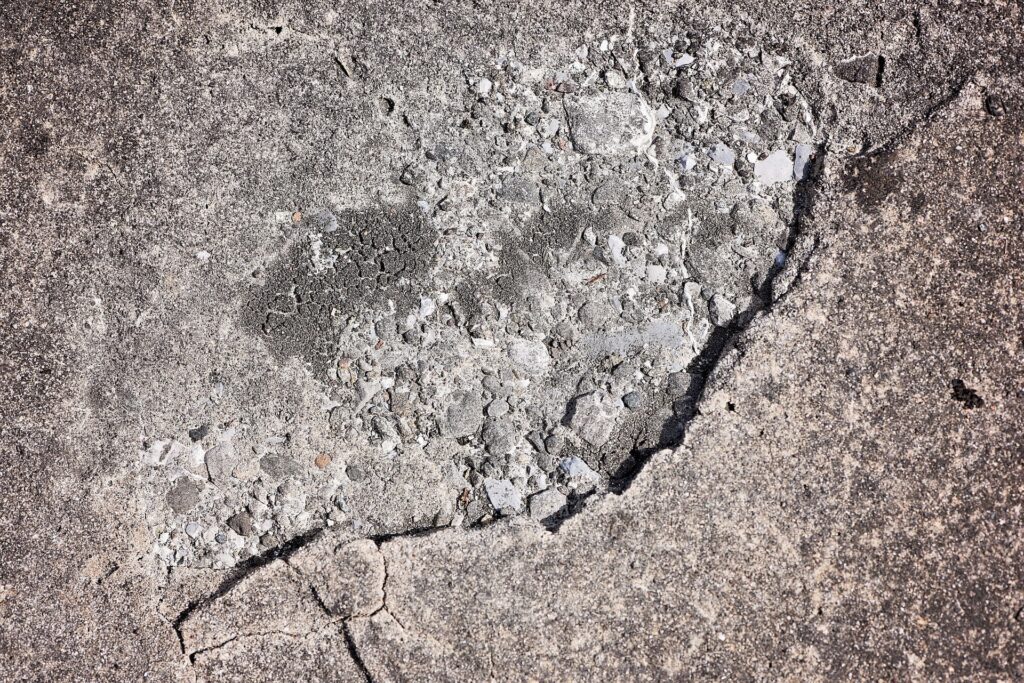
Cracks in concrete slabs may seem cosmetic, but they can indicate something more serious. Even hairline cracks as small as 1/16 of an inch can allow water to seep through, potentially leading to moisture damage. As these cracks expand, they can form larger gaps and openings that compromise the integrity of the structure.
While minor cracking is sometimes caused by plumbing or drainage issues, their presence—especially when combined with other warning signs—could point to underlying foundation problems that require professional attention.
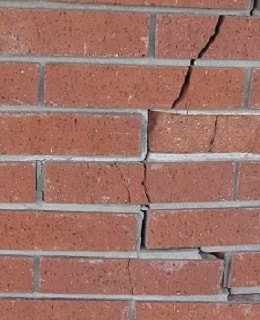
Stair-step cracks in brick walls or gaps forming between sections of siding are strong indicators that your foundation may be settling unevenly. These cracks typically appear near corners, doors, and windows—areas where structural stress tends to show first.
Over time, these visible separations can widen, leading to more extensive exterior damage and even compromising the structural integrity of your home. It’s also common to see mortar joints begin to crumble or bricks shift out of alignment.
While not all cracks signal major problems, those forming in a stair-step pattern—or those that grow over time—are usually a red flag.
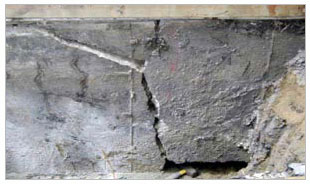
Cracks in your foundation walls or floor are often early warning signs of deeper structural problems. While some may seem minor—like hairline cracks caused by natural settling—others can signal serious issues that threaten your home’s stability. can be early warnings of structural failure.
Here’s what to look for:
If you see widening cracks or water intrusion, it’s time for an inspection.
If you place a ball in the middle of the floor, does it start to roll? This seemingly minor observation can be an indicator of a more significant issue. Floors that slope or bounce are a classic sign of foundation movement or settling support beams.
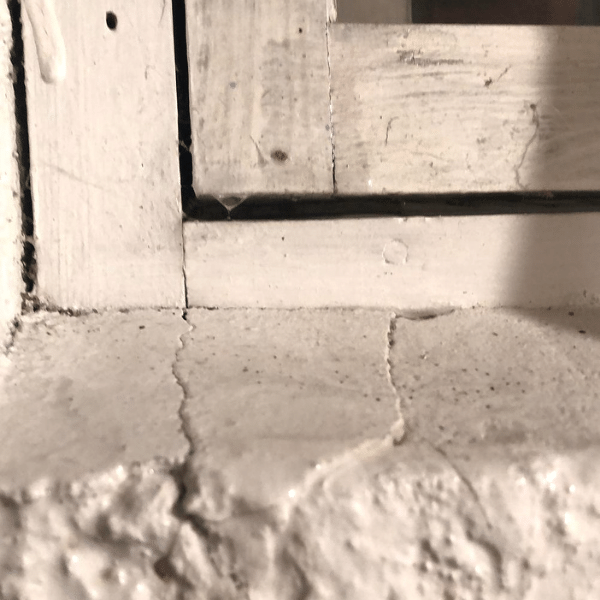
When windows and doors begin to jam or stick—especially when multiple ones are affected—it’s often due to foundation settlement causing frame distortion.
You may be tempted to shave down a door, but that’s just treating the symptom. The real issue could be below the surface.
Cracks in drywall or tile—especially around doors, windows, or in room corners—can be early signs of foundation movement. While some small cracks may result from normal settling or seasonal changes, others may point to structural concerns.
Watch for:
These indicators often appear when the foundation shifts unevenly, putting stress on your home’s walls and surfaces.
Unexplained water or persistent dampness in your basement or crawl space isn’t just inconvenient—it can be a serious red flag. Moisture in these areas may point to underlying issues such as:
Excess moisture is often both a cause and a consequence of foundation problems. Left unchecked, it can lead to mold growth, wood rot, pest infestations, and ongoing structural damage.
If you’re seeing signs of water intrusion—even if it seems minor—it’s worth having a professional take a closer look. Airlift Concrete Experts can identify the source and recommend long-term solutions to keep your home dry, healthy, and structurally sound.
A chimney that’s leaning, cracking, or pulling away from the house can be a clear indicator of foundation movement. Because chimneys are typically built on separate footings from the rest of the home, they’re more susceptible to soil shifting and settlement.
Their substantial weight makes them even more vulnerable—what starts as a small tilt can quickly turn into a major structural concern. Gaps between the chimney and siding or visible cracks in the masonry are signs you shouldn’t ignore.
Noticing a gap where your wall meets the floor or ceiling? Or separation between baseboards and drywall? These are common signs of uneven foundation settlement. As the foundation shifts, it can cause your home’s structure to pull apart in subtle but telling ways.
These gaps often appear alongside other warning signs like sloping floors, sticking doors or windows, and interior wall cracks—all pointing to potential foundation movement.
Don’t overlook these spaces—they’re signs your home may be shifting.
Foundation issues in Arkansas are often caused by:
The sooner you act, the better. Ignoring signs of foundation damage can lead to costly repairs, structural instability, and decreased home value. If you’ve noticed any of the signs above, it’s time to reach out to a trusted local expert.
At Airlift Concrete Experts, we specialize in polyjacking, concrete leveling, and foundation repair solutions designed for homes in Arkansas. Whether you’re seeing cracks or feel like your floor is sinking, we’re here to help.
📞 Call now or contact us online to schedule a free foundation inspection.

 Call Now