Spring Concrete Problems
Why do we always notice more concrete problems in the spring? Cooler weather in the winter causes the soil to freeze or harden. But come springtime, drastic temperature and moisture content changes heavily contribute to spring concrete problems.
Spring Concrete Problems
All of the extra rain in the spring means that the soil is constantly moving and shifting. If you notice standing water in your yard, you’ll likely notice changes in the concrete, too.
Settling Driveways
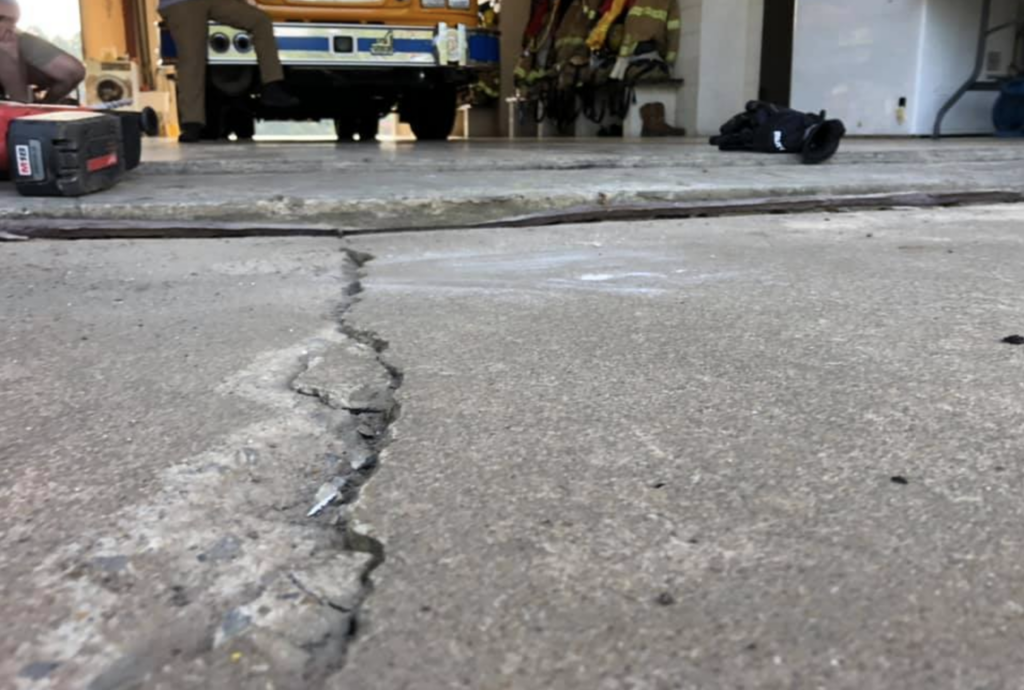
One of the most common things people notice during the spring is that their driveway has sunken and even sometimes cracked. As moisture is introduced to the soil, the soil expands. When the water evaporates and the soil dries, the soil shrinks. The constant expansion and contraction of soil causes a lot of movement, not only of the soil but also of the concrete.
Buckled Sidewalks
Another common concrete problem you might notice is buckled sidewalks. Heat combined with soil movement can cause concrete to expand and shift. Soil movement can cause one concrete slab to settle further than another, and when heat is introduced quickly, the soil shrinks while the concrete expands.
Other issues that can happen as a result of spring are:
- Freezing and Thawing: In regions with freezing temperatures, the cycle of freezing and thawing can cause significant damage to concrete. When moisture gets trapped within the concrete, it expands as it freezes, leading to internal pressure and the formation of cracks. Subsequent thawing and refreezing worsen the damage over time.
- Moisture Damage: Spring often brings increased rainfall or melting snow, resulting in higher moisture levels around concrete structures. So, if the concrete is not adequately sealed or has existing cracks, water can penetrate and cause erosion, spalling (surface flaking), mold, and mildew growth.
- Salt and Deicing Chemicals: In areas where deicing chemicals are commonly used to combat ice and snow, they can have a corrosive effect on concrete surfaces. These chemicals contain salts that can penetrate the concrete and accelerate deterioration, leading to scaling and surface pitting.
- Temperature Variations: Spring is a season of fluctuating temperatures, which can cause stress on concrete. Rapid temperature changes can lead to thermal expansion and contraction, resulting in cracking or weakening of the concrete structure.
- Tree Root Intrusion: As the weather warms up, tree roots become more active and can infiltrate the soil beneath concrete surfaces. So, the growing roots can exert pressure on the concrete, causing it to crack or become uneven.
- Improper Curing: Proper curing is crucial for the long-term durability of concrete. In springtime, with varying weather conditions, it is important to ensure that newly poured concrete is adequately protected and allowed to cure correctly. Insufficient curing can lead to weakened concrete, decreased strength, and increased vulnerability to damage.
We’re the experts on concrete and innovators in using polyurethane foam to lift and level concrete! Contact us to solve your concrete problems once and for all. We use cutting-edge systems to lift and level your sinking concrete.



 Call Now