

Garage floors take a beating every day. From vehicles and equipment to heavy foot traffic, these slabs endure significant stress. Yet, many homeowners overlook cracks in their garage floors, assuming they are minor cosmetic issues. Ignoring these cracks, however, can lead to bigger problems—and often signals underlying foundation or soil issues that need attention.
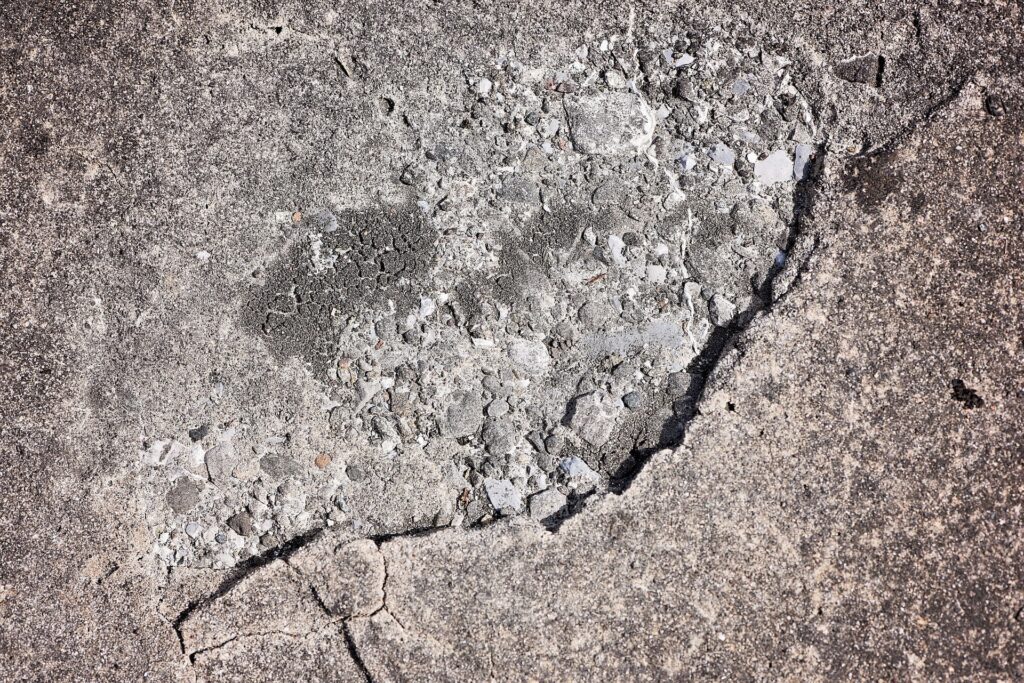
1. Settlement of the Concrete Slab
Concrete can settle unevenly due to weak or improperly compacted soil beneath the slab. Even small voids in the soil can cause cracks, especially in areas with heavy vehicle traffic.
2. Soil Movement and Unstable Soil
Arkansas experiences periods of heavy rain followed by dry spells, causing the soil beneath garage slabs to expand and contract. This movement can place stress on the concrete and lead to cracks.
3. Excessive Loads
Cars, trucks, or heavy equipment concentrated in one area can cause the concrete to flex, particularly if it wasn’t poured thick enough for the load. Over time, this stress manifests as cracking.
4. Poor Construction or Materials
Concrete that wasn’t mixed, poured, or reinforced properly may be more prone to cracking. Additionally, failure to add control joints can contribute to the development of unsightly splits.
While a small hairline crack may seem harmless, it can indicate deeper issues:
At Airlift, we use polyurethane foam lifting, a fast, precise, and long-lasting solution to repair garage floor cracks and stabilize the underlying soil. Here’s why property owners choose us:
Whether you’re dealing with minor cracks or uneven slabs, Airlift Concrete Experts can restore your garage floor, protecting your property and preventing future issues.
Don’t let garage floor cracks go unnoticed. Contact Airlift Concrete Experts today to schedule a free estimate and secure your garage slab with a professional, durable, and precise solution.

 Call Now