

When cracks start appearing in your walls or your concrete begins to sink, it’s tempting to grab some supplies from the hardware store and fix it yourself. After all, there’s a how-to video for everything these days, right?
But when it comes to your foundation, DIY repairs can do more harm than good. A quick patch might hide the problem, but it doesn’t solve what’s going on underneath. And worse, it could make the damage even harder (and more expensive) to repair later.
Here are five common DIY foundation “fixes” that could actually make your things worse, along with safer, smarter alternatives.
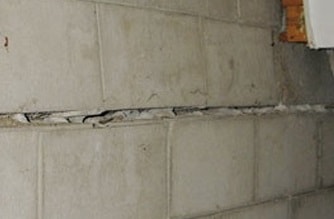
Reaching for a tube of crack filler might seem like a quick fix for gaps in your basement or exterior walls—but without understanding what’s causing those cracks, you’re just covering up the symptoms. Even worse, sealing them improperly can trap moisture inside your foundation, accelerating structural damage instead of preventing it.
💡 What to do instead: Have the crack inspected by a foundation expert. Structural crack or signs of movement need professional attention – not a patch job.
Many homeowners think that piling soil around a foundation will help stop water from pooling. While grading is important, adding too much soil or placing it improperly can cause pressure to build up against the foundation walls, especially when it rains.
💡 What to do instead: Proper drainage and professional grading are the safest solutions. Too much soil = too much hydrostatic pressure.
When your patio or driveway starts to sink, it’s tempting to patch it over with new concrete to even it out. The problem? That doesn’t address the void underneath. And the added weight can actually cause the slab to sink more.
💡 What to do instead: Consider polyurethane foam lifting (polyjacking), which fills the void and stabilizes the concrete – without adding more weight.
Gutters are essential for directing water away from your foundation—but DIY installs often miss key details like proper slope, downspout extensions, or correct placement. Poorly installed gutters can actually funnel water toward your home instead of away from it.
💡 What to do instead: Work with a pro to ensure your gutter system protects your home from foundation-damaging moisture.
“Old house character” is often a red flag in disguise. If your doors stick or your floors slope—even just a little—it could be a sign of foundation movement. Waiting until cracks appear could mean more extensive (and expensive) repairs.
💡 What to do instead: Call in an expert for an inspection. Early intervention can save you thousands in major structural repairs.
Foundation issues aren’t like painting a wall or patching a hole in drywall. They’re tied to the structural safety of your entire home. At Airlift Concrete Experts, we help Arkansas homeowners spot the signs, diagnose the cause, and get lasting solutions—without the guesswork.
Got cracks, sinking concrete, or signs of settlement? Reach out today for a professional evaluation.

 Call Now