

You probably don’t think much about the dirt under your feet, but in Arkansas, the soil beneath your home could be the reason your foundation is cracking, shifting, or sinking.
With so many different soil types across the state, each with its own characteristics, Arkansas homeowners face a unique set of foundation challenges. In this post, we’ll explain how local soil conditions impact your foundation and what you can do to protect your home.
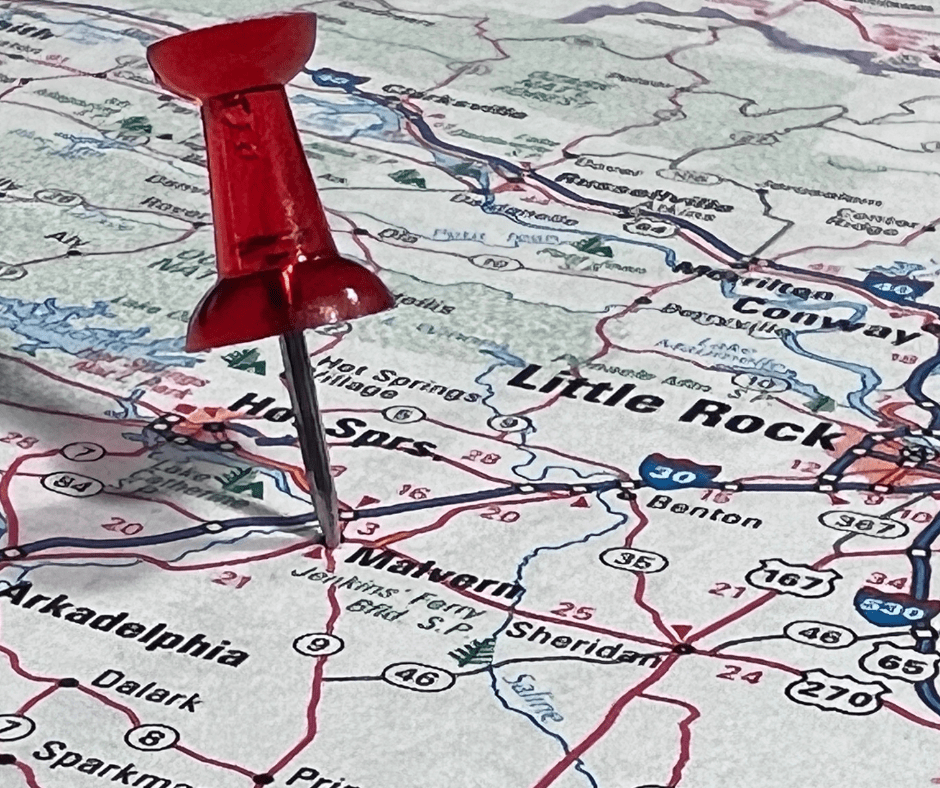
Arkansas is home to various soils, thanks to its diverse geography and climate. These soils formed over thousands of years from different parent material types such as rock, wind-blown dust, river sediment, and even marine deposits.
Some of the most common soil types include:
Each soil type interacts with moisture, pressure, and time differently—some more dramatically than others.
Much of the soil information in this article comes from the “Soils” article on the CALS Encyclopedia of Arkansas, a Central Arkansas Library System project dedicated to preserving and sharing the state’s history and culture.
These soils are known for their expansive nature. When they get wet, they swell. When they dry out, they shrink. This constant movement puts tremendous pressure on foundations, leading to cracking, shifting, and sinking over time.
These soils are common in the Mississippi Delta region of eastern Arkansas and are often called “buckshot” by local farmers.
Loess soils are fine and powdery, and while fertile, they tend to compact and erode easily. When saturated with water, they can lose strength, leading to uneven settlement and sloping floors.
These soils form directly from weathered rock. While they may be more stable in some areas, the steep terrain in mountain regions often increases the risk of foundation movement or hillside slippage.
Found along the Arkansas and Mississippi rivers, these soils are deep and fertile but high in moisture retention. They can lead to foundation heave or water-related erosion, especially during heavy rains or floods.
Each soil type behaves differently, but the effects on your home can be similar:
These are all signs that the soil under your home might be shifting, expanding, or eroding—and taking your foundation with it.
The good news: you’re not powerless. There are steps you can take to prevent and repair foundation damage caused by soil movement:
✅ Schedule a professional foundation inspection
Experts can assess the condition of your soil and structure and recommend appropriate solutions.
✅ Improve drainage around your home
Things like French drains, downspout extensions, and grading can help redirect water away from your foundation.
✅ Consider foundation stabilization solutions
If your home is already settling, pier systems or underpinning can help lift and support your foundation.
✅ Keep an eye out for warning signs
Small cracks or moisture issues can be early indicators of a bigger problem. The sooner you act, the less expensive the repairs will be.
The soil your home is built on matters—a lot. If you live in Arkansas, your property may be sitting on soil that expands, shrinks, or shifts throughout the seasons. Understanding how that soil behaves is the first step in protecting your investment.
Concerned about your foundation? We’re here to help. Contact Airlift Concrete Experts today for a professional inspection and expert solutions tailored to Arkansas soil conditions.

 Call Now