

While concrete lifting with polyurethane foam is best known for its residential applications, it is also effective at solving problems with subsurface voids and sinking concrete for larger infrastructure and commercial projects. This technique is particularly valuable for infrastructure stabilization, providing a reliable solution to maintain the integrity and safety of critical structures such as bridges, highways, and industrial floors.
Roads, especially heavily traveled highways, must withstand a lot of pressure. So, when a subsurface void or other issue weakens the area beneath the road, it can cause significant problems.
Expanding polyurethane foam can lift and stabilize the roadway or highway, filling the voids while compacting the surrounding soil.
Once it finishes its brief curing process, polyurethane foam has the strength needed to support the roadway. It also has several other advantages.
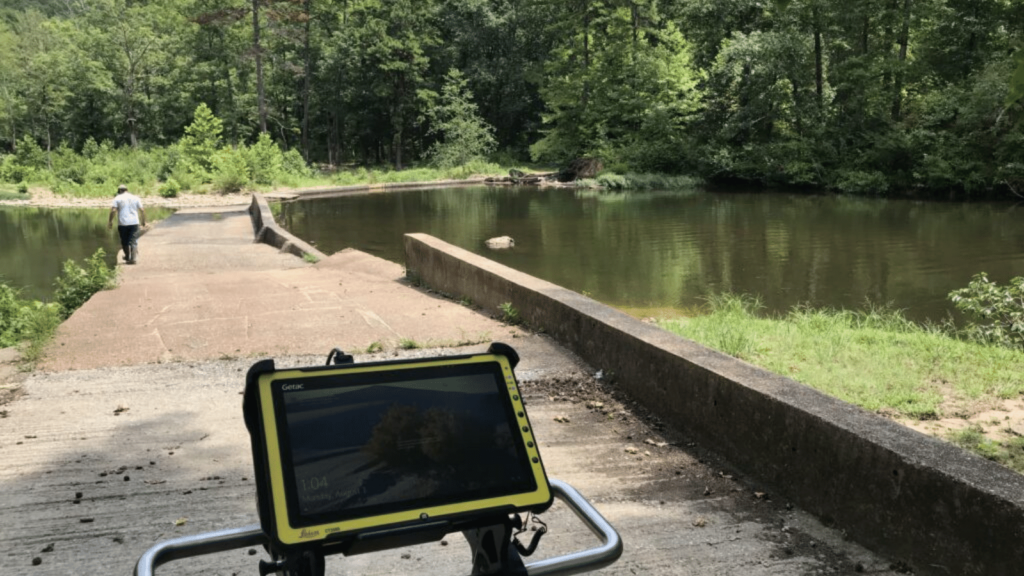
Polyurethane foam is an effective material for waterproofing and sealing applications. It can be applied to structures such as tunnels, retaining walls, and dams to prevent water infiltration and protect against corrosion. Many concrete structures, such as airport runways and bridges, are susceptible to settlement effects in infrastructure projects. Expertly executed polyurethane foam injection by experienced contractors in large projects can effectively lift and stabilize these structures. This method ensures infrastructure stabilization, enhancing the longevity and safety of critical installations.
Airlift has experience in such projects, including one where we used foam to fill a void created by a rainwater washout underneath a 75-year-old dam.
When it comes to large-scale concrete lifting applications, Airlift is a national leader. If you have an infrastructure project that requires lifting concrete or filling a subsurface void, contact us today for more information on our services.

 Call Now